Welcome to KRF Precision Co., Ltd.


Understanding Pin Holes of TCT and Cermet Cold Circular Saw Blades
When selecting a TCT or Cermet cold circular saw blade, most buyers usually focus on blade diameter, thickness, bore diameter, tooth count, and cutting application.
However, one important specification that directly affects blade installation and cutting stability is often overlooked:
Pin holes.
Correct pin hole specifications are essential for ensuring that a cold saw blade can be properly mounted on the machine flange and operate with reliable positioning accuracy.
Understanding how to read pin hole specifications and how they match the saw machine is an important part of selecting the correct cold circular saw blade.
What Are Pin Holes on a Cold Circular Saw Blade?
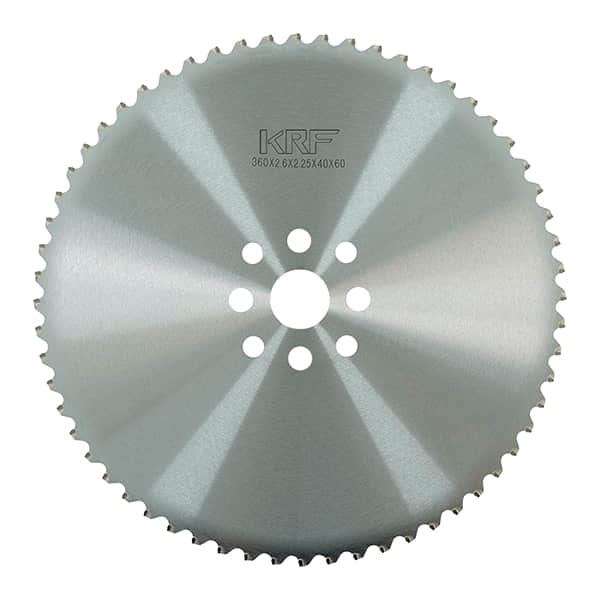
Pin holes (also called locating holes or drive holes) are additional holes located around the blade bore area.
They are designed to match the locating pins on the machine flange cover.
During cutting operation, the pin holes help:
Position the saw blade correctly on the machine;
Improve blade installation accuracy;
Reduce unwanted movement between the blade and flange;
Support stable cutting performance.
For industrial cold saw applications, the correct combination of:
Blade Diameter + Bore + Pin Holes + Machine Flange
is necessary to achieve reliable cutting results.
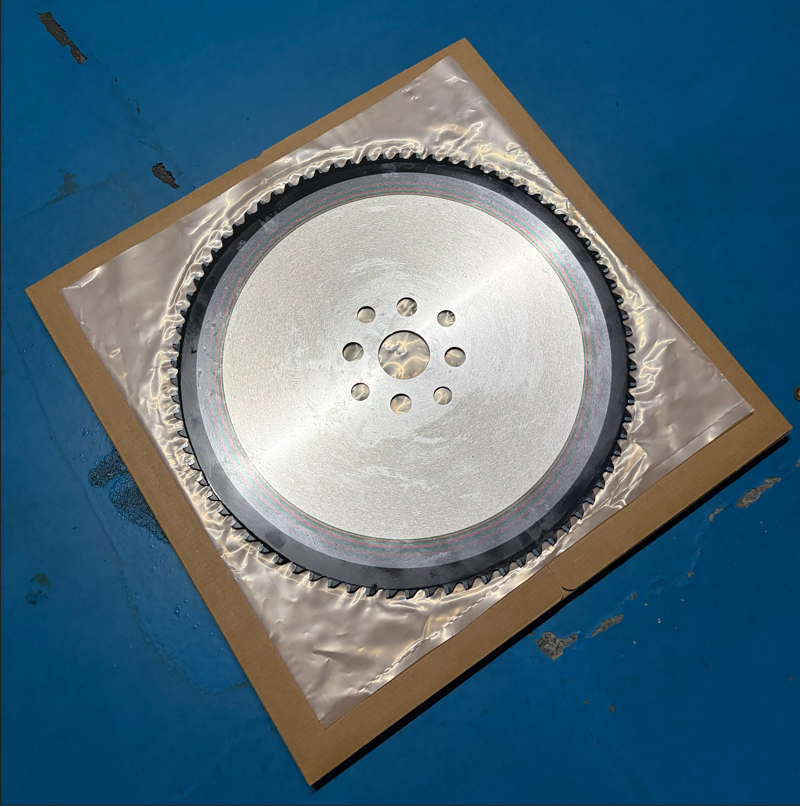
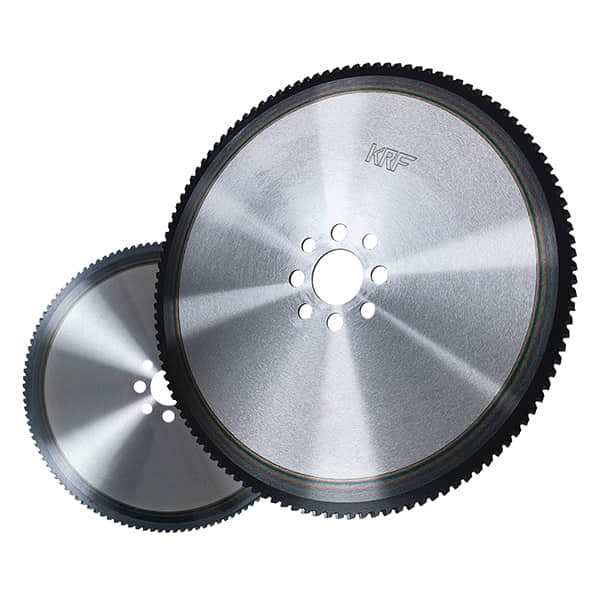
Figure 1. Black Coated Cermet Cold Circular Saw Blade for Industrial Metal Cutting
How to Read Pin Hole Specifications?
Pin hole specifications are usually expressed in formats such as:
4/11/90
or
4/11/90 + 4/16/80
These numbers describe:
Number of pin holes;
Pin hole diameter;
Pitch circle diameter (PCD).
Example 1: 4/11/90
4/11/90 means:
4 → Four pin holes;
11 → Each pin hole is approximately 11 mm in diameter;
90 → The four holes are evenly distributed on a 90 mm diameter circle centered on the blade.
Therefore:
4/11/90 = 4 pin holes × approximately 11 mm diameter × 90 mm pitch circle diameter.
The actual hole diameter may include manufacturing tolerance according to blade design and machine requirements.
Example 2: 4/11/90 + 4/16/80
Some cold circular saw blades are designed with two different sets of pin holes.
4/11/90 + 4/16/80 means:
First pin hole group:
4 holes;
Hole diameter approximately 11 mm;
Pitch circle diameter 90 mm.
Second pin hole group:
4 holes;
Hole diameter approximately 16 mm;
Pitch circle diameter 80 mm.
This design allows the same blade to fit different machine flange configurations.
The additional pin holes do not affect cutting performance as long as the correct pin holes match the machine locating pins.
Why Must Pin Hole Specifications Be Confirmed Before Ordering?
When purchasing TCT or Cermet cold circular saw blades, buyers should provide accurate pin hole information to the blade supplier.
The correct pin hole specification should be confirmed according to:
Saw machine model;
Flange cover design;
Locating pin diameter;
Pin hole position;
Blade mounting requirements.
In most cases, the pin hole diameter is designed to be slightly larger than the locating pin diameter on the machine flange.
This small clearance allows the blade to be installed smoothly while maintaining proper positioning.
Relationship Between Pin Hole Diameter and Machine Locating Pins
1. Pin Hole Diameter Smaller Than Locating Pin Diameter
If the blade pin hole diameter is smaller than the machine locating pin diameter, the blade cannot be installed correctly.
Example:
Machine locating pin: 12 mm
Blade pin hole: 10 mm
Possible problems include:
The blade cannot be mounted on the machine;
Forced installation may damage the blade or machine components;
The blade cannot be used safely.
2. Pin Hole Diameter Slightly Larger Than Locating Pin Diameter
If the blade pin hole diameter is slightly larger than the machine locating pin diameter, the blade can normally be installed and operated.
Example:
Machine locating pin: 10 mm
Blade pin hole: 11 mm
For precision cutting applications, a smaller clearance is generally preferred because it can help improve:
Blade running stability;
Machine service life;
Blade service life;
Cutting accuracy;
Cutting surface quality.
For many industrial applications, keeping the difference within approximately 1 mm is generally more favorable.
3. Pin Hole Diameter Much Larger Than Locating Pin Diameter
If the difference between the pin hole and locating pin is too large:
Blade positioning accuracy may decrease;
Blade vibration may increase;
Cutting stability may be affected.
Therefore, excessive clearance between pin holes and machine locating pins is generally not recommended.
Different Numbers of Pin Holes on Cold Circular Saw Blades
TCT and Cermet cold circular saw blades may have different pin hole designs:
2 pin holes;
4 pin holes;
6 pin holes;
8 pin holes.
The number of pin holes does not directly determine cutting performance.
The main purpose of different pin hole designs is to improve compatibility with different cold saw machines.
As long as the correct pin holes match the machine flange locating pins, the blade can be installed and used normally.
Additional pin holes are designed to provide wider machine compatibility.
Reference Pin Hole Specifications for Common Cold Saw Machines
The following table shows commonly used pin hole specifications collected from industrial cold circular saw blade applications.
Important Notice:
The specifications below are provided for reference only. Before ordering a cold circular saw blade, customers should always confirm the exact pin hole requirements according to the actual saw machine flange cover and locating pin dimensions.
Different machine models, production years, or machine configurations may use different mounting specifications.
| Machine Brand | Machine Series / Application | Blade Diameter (mm) | Reference Pin Holes |
|---|---|---|---|
| AMADA | Cold Saw Series | 285 | 2/11/80 |
| AMADA | Cold Saw Series | 360 | 4/11/90 |
| AMADA | Cold Saw Series | 460 | 4/11/90 + 4/16/80 |
| KASTO | Industrial Cold Saw | 250-285 | 4/9/50 |
| KASTO | Industrial Cold Saw | 360 | 4/11/90 |
| KASTO | Industrial Cold Saw | 425 | 4/16/80 |
| KALTENBACH | Cold Saw Machine | 360-460 | 4/16/80 |
| BEHRINGER EISELE | HCS Series | 285-460 | 2/15/80 |
| FONG HO | Cold Saw Series | 285 | 4/11/63 |
| FONG HO | Cold Saw Series | 360 | 4/15/80 |
| NISHIJIMA | Cold Saw Series | 360 | 4/16/80 |
| NISHIJIMA | Cold Saw Series | 460 | 4/21/90 |
| NORITAKE | Cold Saw Machine | 285-360 | 2/11/80 |
| TSUNE | Cold Saw Series | 360-460 | 4/16/80 |
| SIMAX | Cold Saw Machine | 360 | 4/16/80 |
Example: Pin Hole Dimension Design of a 360 mm Cold Circular Saw Blade
A 360 mm cold circular saw blade may include:
Blade diameter;
Blade thickness;
Bore diameter;
Number of pin holes;
Pin hole diameter;
Pitch circle diameter.
Correct dimensional matching between the blade and machine flange helps ensure:
Accurate installation;
Stable rotation;
Reduced vibration;
Consistent cutting performance.
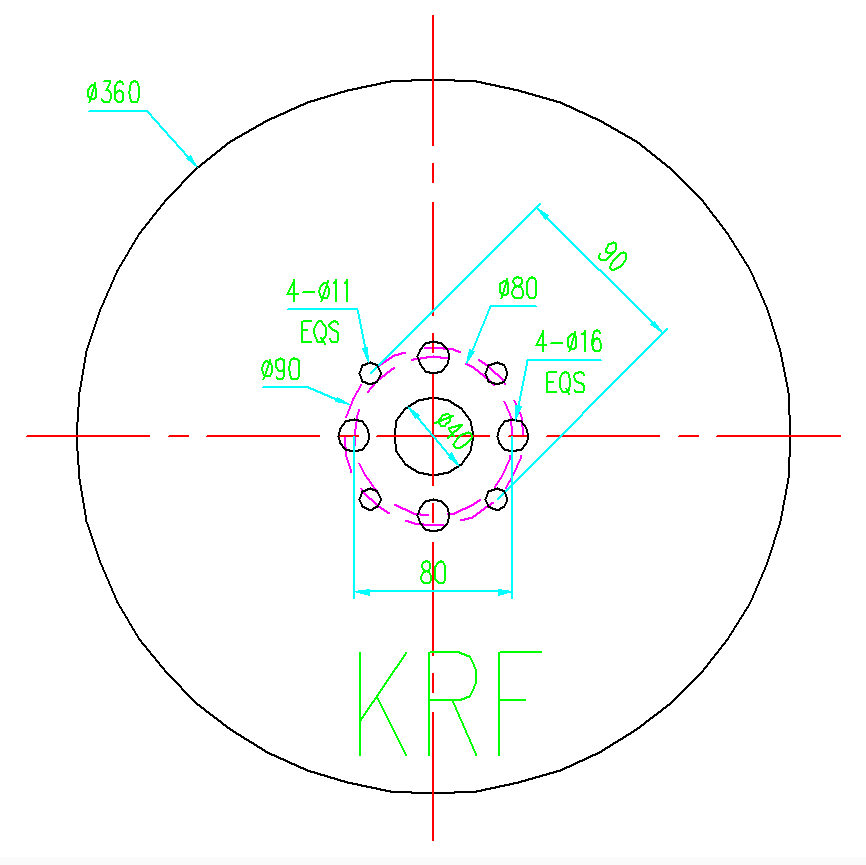
Figure 2. Pin Hole Dimension Drawing of a 360 mm Cold Circular Saw Blade
Selecting the Right Cold Saw Blade Requires Complete Machine Information
A suitable TCT or Cermet cold circular saw blade is not determined only by blade diameter and tooth count.
Important information includes:
Blade diameter;
Blade thickness;
Bore diameter;
Pin hole specification;
Saw machine model;
Material being cut;
Cutting speed and conditions.
A correct blade selection should consider the complete relationship between:
Blade + Machine + Material + Cutting Conditions
Conclusion
Pin holes are a small but critical specification of TCT and Cermet cold circular saw blades.
Incorrect pin hole dimensions may prevent blade installation, reduce cutting stability, or affect the service life of both the blade and machine.
Before ordering a cold circular saw blade, customers should confirm:
Machine model;
Flange locating pin dimensions;
Bore diameter;
Pin hole specification;
Cutting application.
Providing accurate machine information allows the blade supplier to recommend a suitable configuration for reliable and stable cutting performance.